Tattoo Placement: Choosing the Perfect Spot for Your Ink
Getting a tattoo is an exciting way to express yourself. The design matters, of course—but where you place that tattoo can be just as important as the artwork itself. Tattoo placement affects everything from how visible your tattoo is to how it ages over time. At Paulie’s Tattoo, artists work closely with clients to help them choose placements that complement both their design and their lifestyle.
If you're thinking about getting inked, here are some things to consider when deciding where your tattoo should go.
1. Visibility vs. Privacy
One of the first questions to ask yourself is how visible you want your tattoo to be. Some people love showing off their artwork, while others prefer tattoos that can easily be hidden.
Highly visible placements include:
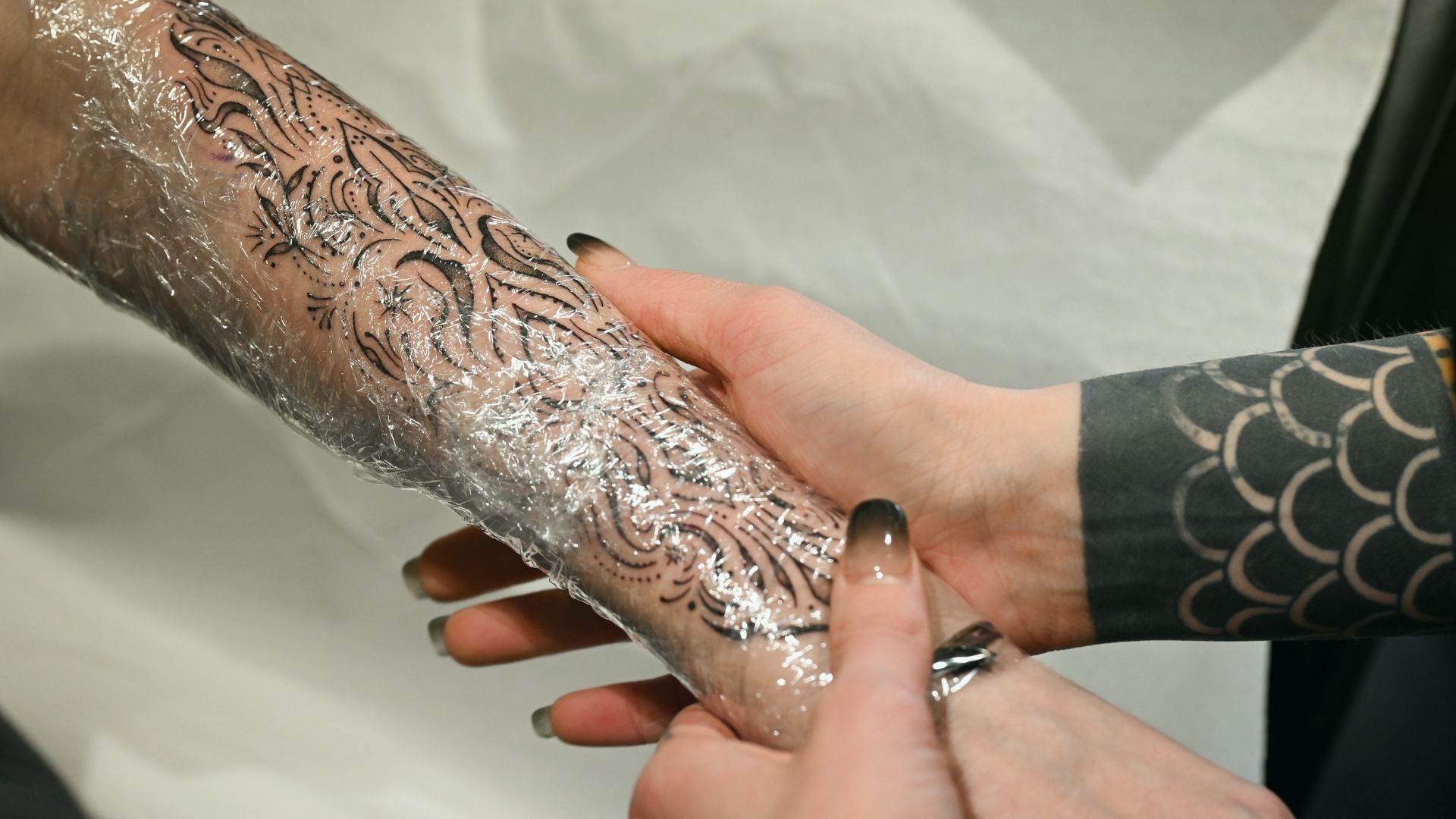
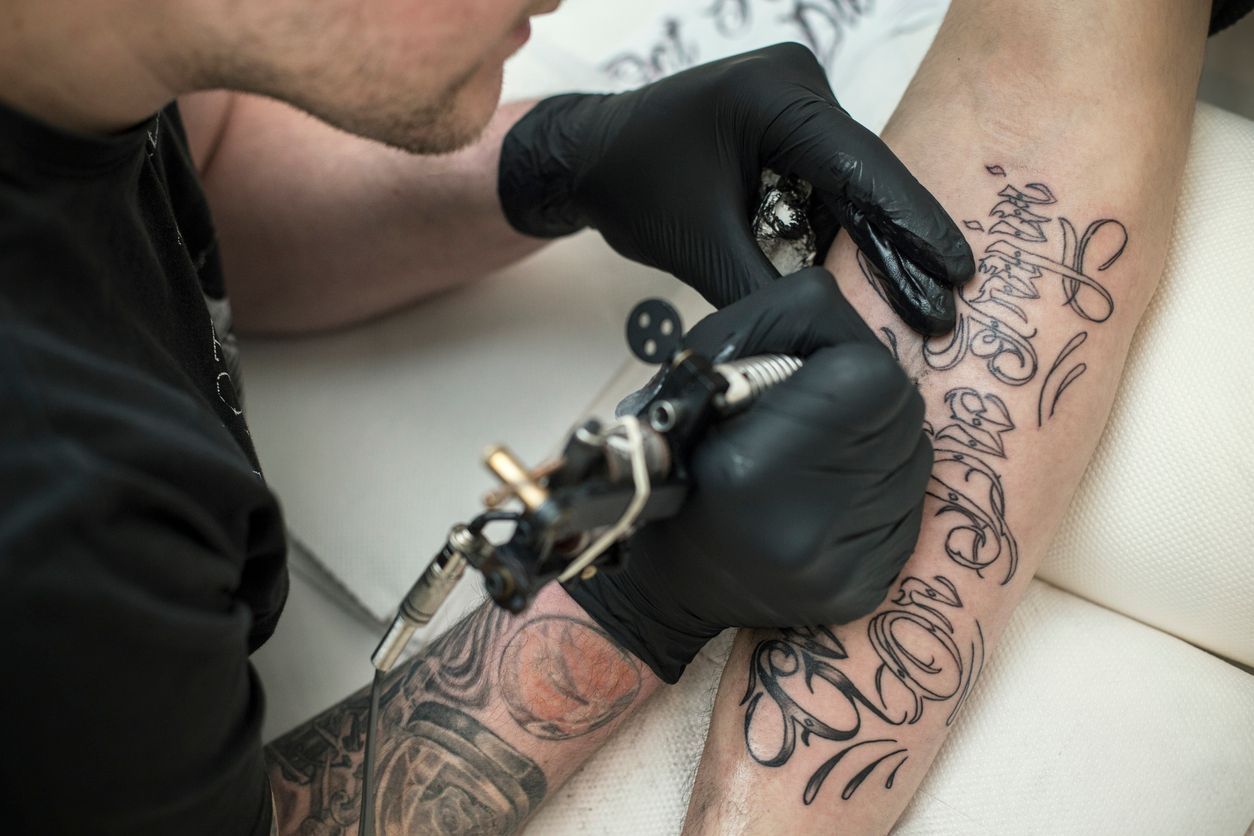
● Forearms
● Hands
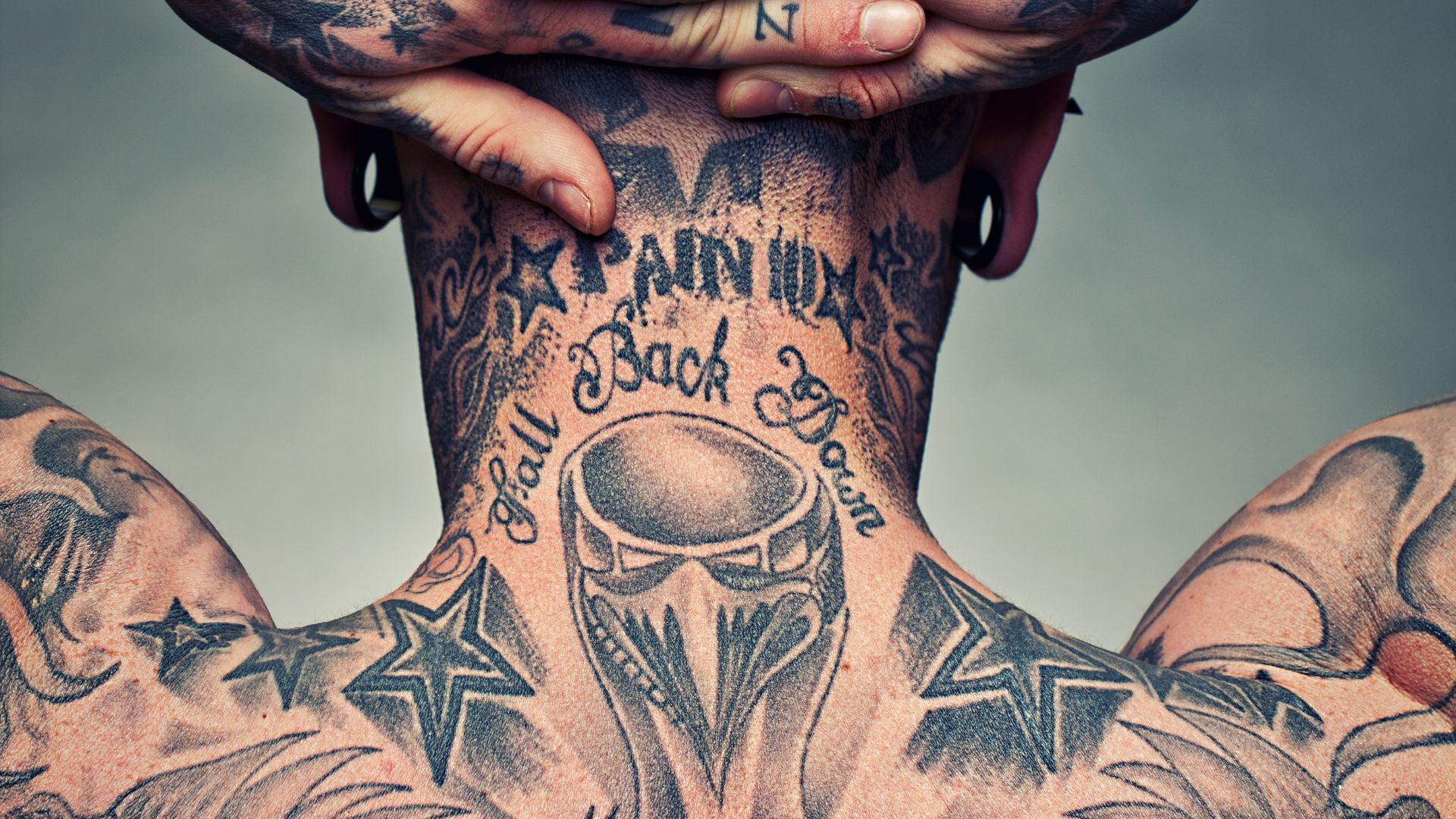
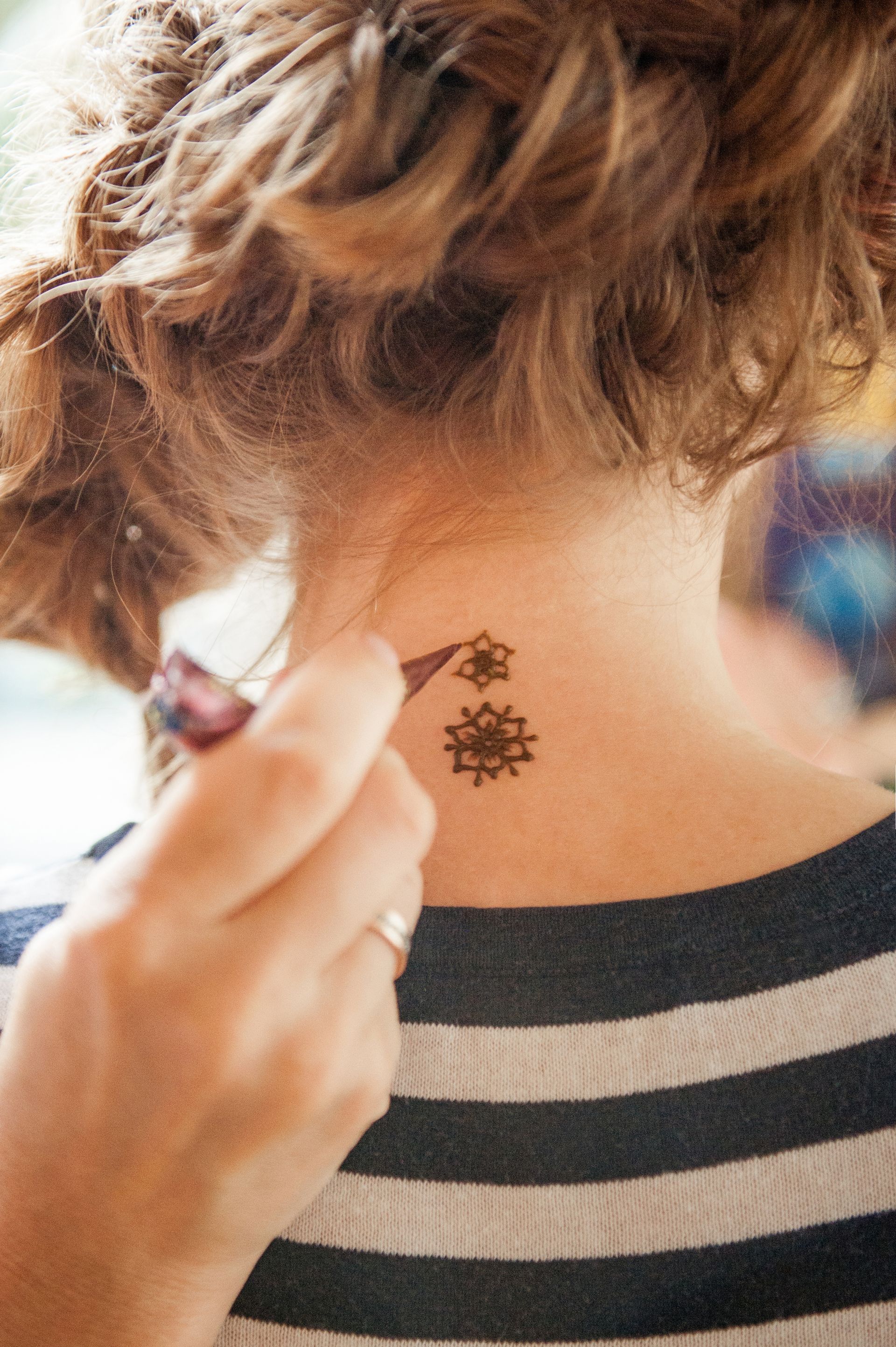
● Neck
● Calves
These areas make your tattoo part of your everyday look. However, they may not be ideal if your workplace has strict appearance policies.
More discreet placements include:
● Upper back
● Ribcage
● Thigh
● Upper arm
These areas allow you to reveal your tattoo when you want while keeping it covered when necessary. At Paulie’s Tattoo, artists often recommend these placements for first-time clients who may still be deciding how public they want their ink to be.
2. Pain Tolerance
Not all tattoo placements feel the same. Some parts of the body are more sensitive because the skin is thinner or closer to bone.
Generally more painful areas include:
● Ribs
● Spine
● Feet
● Elbows
● Knees
Meanwhile, less sensitive areas often include:
● Upper arms
● Outer thighs
● Calves
● Shoulders
Everyone’s pain tolerance is different, but experienced artists at Paulie’s Tattoo can guide you toward placements that match your comfort level—especially if it’s your first tattoo.
3. Size and Shape of the Design
Certain designs work better on certain parts of the body. A large, detailed piece needs space to breathe, while smaller tattoos can fit almost anywhere.
Examples include:
● Sleeves work best on arms where the design can flow naturally.
● Long vertical designs look great on forearms, calves, or the spine.
● Circular designs often work well on shoulders, elbows, or knees.
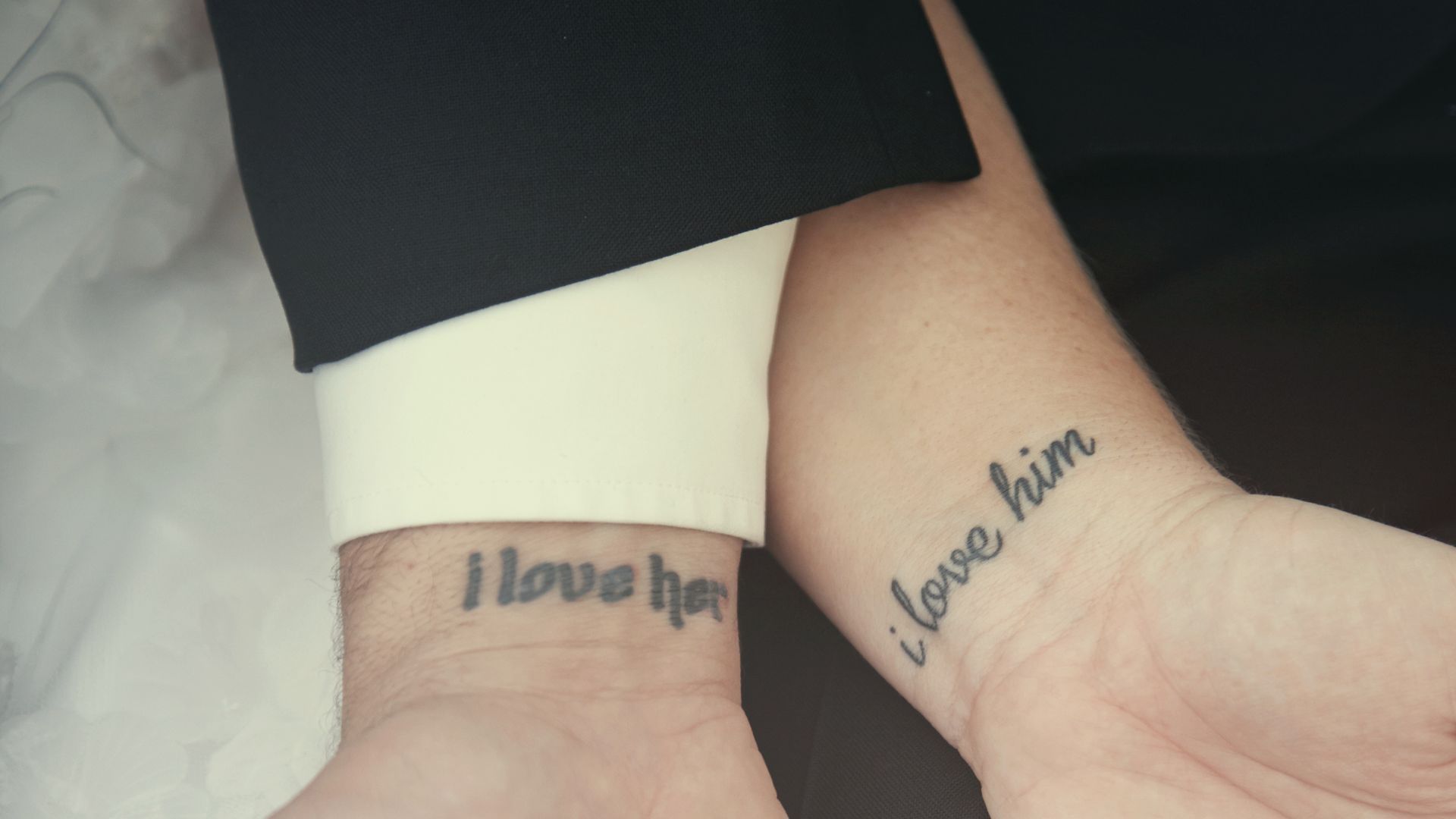
● Small minimalist tattoos are popular on wrists, ankles, or behind the ear.
A professional tattoo artist will consider how the body’s natural curves will affect the final look. At Paulie’s Tattoo, placement planning is part of the design process to ensure the tattoo fits the body naturally.
4. How Tattoos Age
Believe it or not, tattoo placement can affect how well your tattoo ages.
Areas that experience frequent movement or sun exposure may fade more quickly. For example:
● Hands and fingers fade faster because of frequent washing and friction.
● Feet and ankles can wear down due to shoes and movement.
● Areas with lots of sun exposure may need more touch-ups.
Meanwhile, tattoos on areas like the upper arm, back, or thigh tend to hold their detail longer.
Choosing the right placement helps ensure your tattoo looks great not just today—but years down the road.
5. Flow with Future Tattoos
Many people don’t stop at just one tattoo. Thinking about future designs can help you choose a placement that allows room for expansion.
For example:
● Starting on the upper arm can eventually lead to a full sleeve.
● A small chest piece can grow into a larger chest or torso design.
● Leg tattoos can expand into half or full leg sleeves.
Artists at Paulie’s Tattoo often discuss long-term ideas with clients so that your first tattoo doesn’t limit future possibilities.
Final Thoughts
Tattoo placement is about more than just picking a random spot. It involves consdering visibility, comfort, design size, longevity, and even future artwork. The right placement can enhance your tattoo and make it feel like a natural part of your body.
Whether you’re planning your very first tattoo or adding to a growing collection, the experienced team at Paulie’s Tattoo can help guide you through the process—from design to placement—to ensure your new ink looks incredible for years to come.
Because the best tattoos aren’t just great designs—they’re perfectly placed works of art.